
Health communication
CONTENTS
Lefamulin: the first semisynthetic antibiotic of the pleuromutilin class
1. INTRODUCTION
Lefamulin is a novel semisynthetic antibiotic belonging to the pleuromutilin class. It was approved by the U.S. FDA in 2019 and subsequently authorized by the European Commission in 2020. It is the first pleuromutilin antibiotic available in both oral and intravenous formulations for the treatment of systemic bacterial infections in humans.
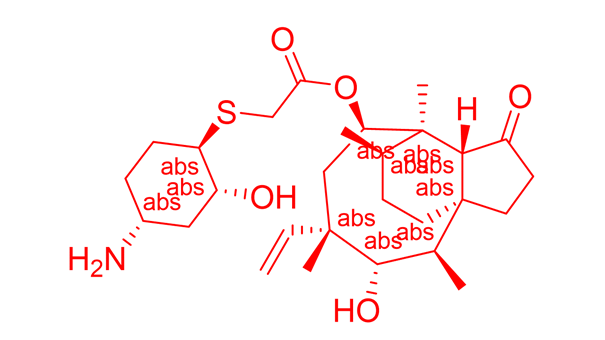
Figure 1. Chemical structure of lefamulin
2. MECHANISM OF ACTION
Lefamulin inhibits bacterial protein synthesis by binding to the peptidyl transferase center of the 50S ribosomal subunit. Its tricyclic core and C14 side chain interact with the A and P sites of the ribosome through hydrogen bonding and hydrophobic interactions.
This binding alters the positioning of transfer RNA (tRNA), interferes with peptide bond formation, and prevents further elongation of the polypeptide chain.
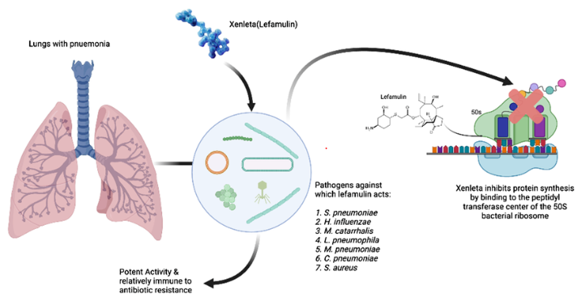
Figure 2. Mechanism of action of lefamulin
Source: https://www.researchgate.net/figure/Binding-of-Lefamulin-with-protein-peptidyl-transferase-as-promising-inhibitor-of-protein_fig2_361805898
Mechanisms of Bacterial Resistance to Lefamulin
Resistance to lefamulin is primarily associated with alterations at the ribosomal drug-binding site. Mutations in domain V of 23S rRNA may alter the structure of the peptidyl transferase center and thereby reduce drug binding.
In bacteria with only a single copy of the 23S rRNA gene, such as Mycoplasma, a single mutation may result in high-level resistance. In contrast, organisms with multiple copies of 23S rRNA, such as Staphylococcus and Streptococcus, generally require the accumulation of several mutations before clinically significant resistance develops.
Mutations in the rplC and rplD genes, which encode the ribosomal proteins L3 and L4, respectively, may also alter the structure of the peptidyl transferase center and reduce the activity of lefamulin.
In addition, some Gram-positive bacteria may develop resistance through ribosomal protection mechanisms. In staphylococci, the vga genes play an important role, whereas resistance in streptococci is more commonly associated with the lsa(E) gene.
Because of its unique mechanism of action, lefamulin demonstrates little cross-resistance with tetracyclines, macrolides, fluoroquinolones, and beta-lactams. However, ribosomal protection genes may confer cross-resistance to lincosamides, streptogramins, and oxazolidinones.
The prevalence of lefamulin resistance is currently low; however, continued antimicrobial resistance surveillance will be important as its clinical use becomes more widespread.
3. ANTIBACTERIAL SPECTRUM
Lefamulin has broad activity against pathogens commonly associated with respiratory tract infections, particularly Gram-positive bacteria, selected Gram-negative organisms, and atypical respiratory pathogens.
Gram-positive bacteria: Lefamulin demonstrates potent activity against Streptococcus pneumoniae, including penicillin-resistant, macrolide-resistant, fluoroquinolone-resistant, and multidrug-resistant strains. It is also active against methicillin-resistant Staphylococcus aureus (MRSA), beta-hemolytic streptococci, viridans group streptococci, coagulase-negative staphylococci, and selected vancomycin-resistant Enterococcus faecium isolates.
Gram-negative bacteria: Lefamulin is primarily active against respiratory pathogens such as Haemophilus influenzae, including beta-lactamase-producing strains, and Moraxella catarrhalis.
Atypical pathogens: Lefamulin also has good activity against atypical organisms responsible for pneumonia, including Legionella pneumophila, Mycoplasma pneumoniae, and Chlamydophila pneumoniae.
In addition, lefamulin is being investigated for the treatment of certain sexually transmitted infections caused by Neisseria gonorrhoeae, Chlamydia trachomatis, and Mycoplasma genitalium.
However, lefamulin has little or no clinically relevant activity against Pseudomonas aeruginosa, Acinetobacter baumannii, members of the order Enterobacterales such as Escherichia coli and Klebsiella pneumoniae, and most anaerobic bacteria.
4. PHARMACOKINETICS
Absorption: Oral bioavailability is approximately 25% and is reduced when lefamulin is administered with food.
Distribution: Lefamulin has an apparent volume of distribution of approximately 86 L and is highly bound to plasma proteins, with protein binding of approximately 95–97%. The drug penetrates lung tissue effectively, and concentrations of unbound lefamulin in epithelial lining fluid are substantially higher than those in plasma.
Metabolism: Lefamulin is both a substrate and an inhibitor of cytochrome P450 3A4 (CYP3A4). Caution is therefore required when it is administered concomitantly with strong CYP3A4 inducers or inhibitors. Concomitant use with CYP3A4 substrates that are known to prolong the QT interval should also be avoided because of the potential for an increased risk of cardiac arrhythmias.
Elimination: The elimination half-life of lefamulin is approximately 8 hours in healthy individuals. Severe renal impairment and hemodialysis do not substantially alter its pharmacokinetics, and dose adjustment is generally not required. In contrast, severe hepatic impairment may increase systemic exposure and prolong the elimination half-life.
5. INDICATIONS AND DOSAGE
Lefamulin is indicated for the treatment of community-acquired bacterial pneumonia in adults.
It is also being investigated for other indications, including acute bacterial skin and skin structure infections and sexually transmitted infections such as gonorrhea and Mycoplasma genitalium infection.
Lefamulin is available in both intravenous and oral formulations.
The recommended intravenous dose is 150 mg every 12 hours, administered by intravenous infusion over approximately 60 minutes.
For oral administration, the recommended dose is 600 mg every 12 hours. To optimize absorption, oral lefamulin should be taken at least 1 hour before or at least 2 hours after a meal.
The usual duration of treatment is 5–10 days, depending on the severity of infection, clinical response, and microbiological findings.
In patients with severe hepatic impairment, the intravenous dose should be reduced to 150 mg every 24 hours. The use of oral lefamulin in patients with severe hepatic impairment has not been adequately studied.
No dosage adjustment is generally required in patients with renal impairment.
6. ADVERSE EFFECTS
Lefamulin is generally well tolerated, and most adverse effects are mild to moderate in severity.
The most common adverse events are gastrointestinal, including diarrhea, nausea, and vomiting. In the LEAP 2 trial evaluating the oral formulation, diarrhea occurred in approximately 12.2% of patients, followed by nausea in 5.2% and vomiting in 3.3%.
With intravenous administration, infusion-site pain may also occur. Other reported adverse effects include headache, insomnia, and hypokalemia.
One of the most clinically important safety concerns associated with lefamulin is QT-interval prolongation, which may increase the risk of cardiac arrhythmias. Therefore, concomitant administration with other medications known to prolong the QT interval should generally be avoided, particularly drugs metabolized through CYP3A4.
Animal studies have suggested that lefamulin may cause fetal harm; therefore, its use during pregnancy requires careful consideration of potential risks and benefits.
As with other antibacterial agents, lefamulin may also be associated with Clostridioides difficile-associated diarrhea.
Elevations in liver enzymes or bilirubin have also been reported, although these events are relatively uncommon.
In the LEAP clinical trials, treatment discontinuation due to adverse events occurred in only approximately 2.9–3.3% of patients, suggesting that lefamulin has a generally favorable safety and tolerability profile.
7. CONCLUSION
Lefamulin is a novel pleuromutilin antibiotic with demonstrated efficacy in the treatment of community-acquired bacterial pneumonia. It may serve as an alternative to fluoroquinolones in patients with allergies or intolerance, or in situations where minimizing the risk of antimicrobial resistance or fluoroquinolone-associated adverse effects is desirable.
Its unique mechanism of action and antibacterial spectrum, which is focused primarily on respiratory pathogens, may result in less activity against certain components of the intestinal microbiota, including Enterobacterales, while avoiding some of the safety concerns associated with fluoroquinolones.
However, real-world clinical data following its approval remain relatively limited. Further studies are needed to better define the efficacy and safety of lefamulin in off-label or investigational indications, including skin and soft-tissue infections and sexually transmitted infections.
REFERENCES
Covvey JR, Guarascio AJ. Clinical use of lefamulin: A first-in-class semisynthetic pleuromutilin antibiotic. Journal of Internal Medicine. 2022;291(1):51–63. https://doi.org/10.1111/joim.13378
Falagas ME, Fanariotis G, Romanos LT, Katsikas KM, Kakoullis SA. Resistance to Lefamulin: An Evaluation of Data from In Vitro Antimicrobial Susceptibility Studies. Antibiotics. 2026;15(1):58. https://doi.org/10.3390/antibiotics15010058
Kim Ngoc Son, MSc
Nguyen Thanh Tam, MSc
